


Menopause Fuels Rise in Women Seeking Facial Procedures
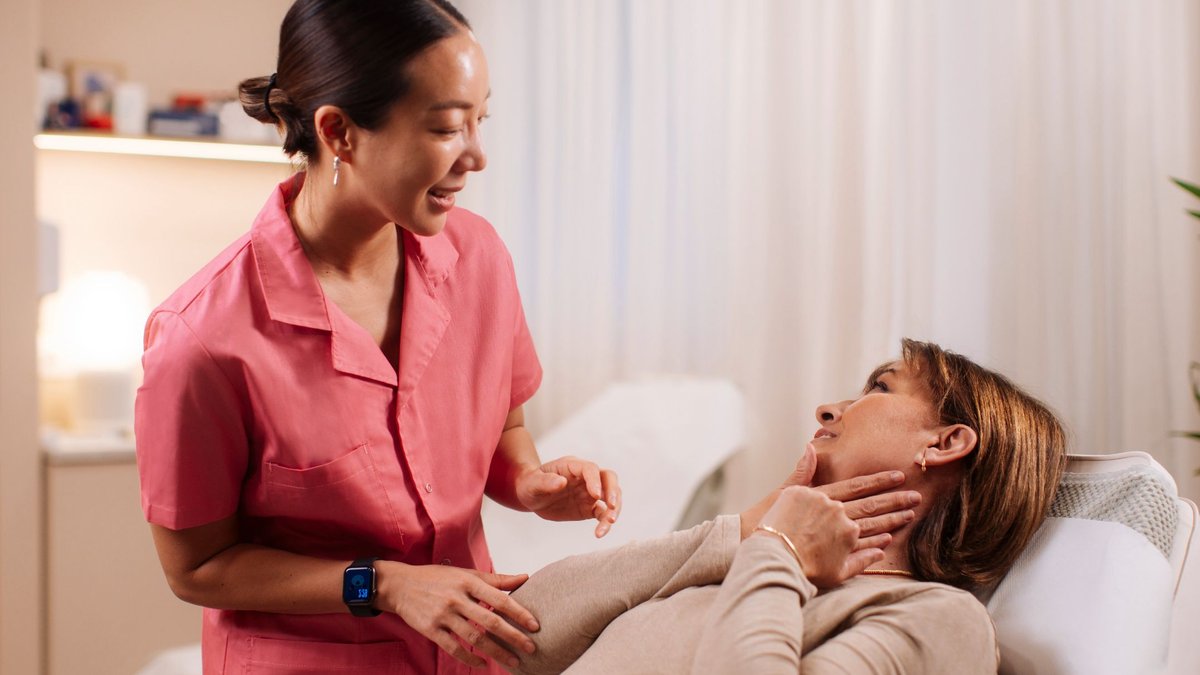
According to the American Academy of Facial Plastic and Reconstructive Surgery (AAFPRS), 45% of facial plastic surgeons report more female patients citing menopause or perimenopause as a reason for seeking treatment. This marks a significant rise from 28% in 2024.
“Menopause can bring noticeable changes to the skin and face, and patients are increasingly making that connection when they come in for a consultation,” says Houston facial plastic surgeon Anthony Brissett, MD, president of the AAFPRS. “What we are seeing is a greater willingness to talk openly about those effects and to ask what is happening, what is normal, and what options may exist.”
The survey also found that 66% of members reported a rise in eyelid procedures among patients looking to appear less tired, and 50% say patients are turning to cosmetic treatments to stay competitive at work.
Beverly Hills facial plastic surgeon Kimberly Lee, MD, notes that patients in their 40s and 50s often share concerns about drier skin, more fine lines and wrinkles, decreased facial volume, and sagging in the jawline and neck. They aim to address these changes while preserving a natural look.
During menopause, loss of elasticity and collagen, decreased hydration, and thinning skin can make changes in skin texture more noticeable. Dr. Lee says that environmental exposure, genetics, facial animation, and changes in fat volume also contribute to the changes women see.
“When I evaluate patient faces I don’t usually try to separate them into menopause vs aging,” Dr. Lee says. “Instead I look at the overall face to determine what the skin quality, volume loss, and structural changes may be to come up with a plan to address these changes.”
This approach might involve focusing on skin quality and collagen, restoring lost volume, relaxing specific muscles that contribute to wrinkles, or addressing skin laxity, depending on the patient’s underlying anatomy. The AAFPRS recommends discussing any concerns with a board-certified facial plastic surgeon and talking with your doctor about overall health during the transition.
“Menopause is only one factor contributing to facial aging,” Dr. Lee says, “and the goal is always restoring balance while maintaining natural-appearing results.”

Pinterest sponsors phone-free London Fashion Week show


