


Women Athletes Turn to Content Creation for Career Growth
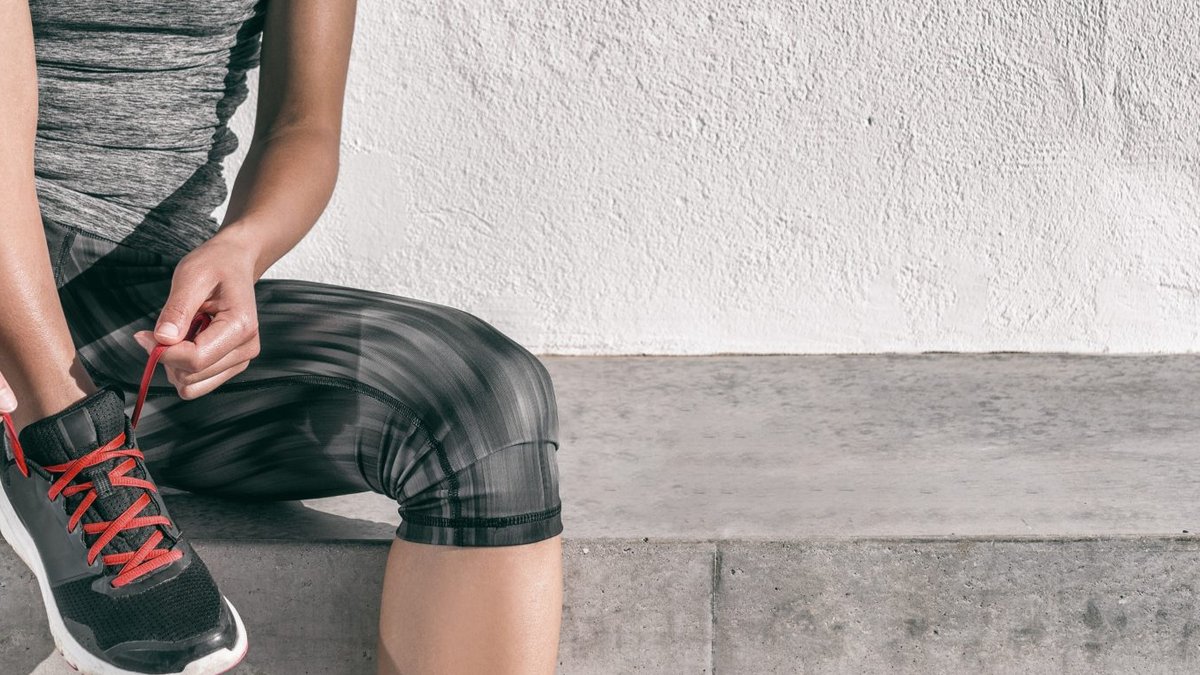
2026 marks a key year where professional athletes must also serve as full-time content creators. For women in sports, creating digital content has evolved beyond a side activity—it now plays a critical role in generating income, promoting their respective sports, and preparing for life beyond their athletic careers.
Revenues, viewership, and brand interest in women’s sports are all climbing, but individual athletes still face challenges in securing fair pay and long-term security. Building an audience offers a direct way to address this gap.
Companies like Togethxr are helping teach women athletes how to be creators
That’s why companies like Togethxr are helping teach women athletes how to be creators, and those athletes are relying on managers to grow their creator careers.
With the FIFA Women’s World Cup and the Summer Olympics on the horizon, it’s an ideal time for women athletes to focus on content creation.
“We’ve seen firsthand that when individual athletes know how to properly present themselves, build their personal brands on social media to generate excitement for their upcoming games and their teams, it can lead to significant commercial success,” said Jess Dashner, director of media strategy and operations at Gupta Media.
Togethxr, a women’s sports media and commerce company co-founded by women athletes, is capitalizing on this trend. Their Snap the Gap program, now in its second year, partners with Snapchat to provide women athletes with production resources and mentorship, aiming to improve their content quality and grow their follower base.
So far, the seven women athletes in the cohort, which included professional hockey players, soccer stars, basketball players, gymnasts, and NCAA athletes, have all seen growth in their Snapchat audiences.
Within three months, Michelle Alozie, a forward for Houston Dash and the Nigerian national soccer team, increased her Snapchat followers by 61%, from 127,000 to 204,000, according to Togethxr. During the same period, Kyrstina Johnson, a gymnast at Temple University, grew her followers from 650 to nearly 40,000, while Mia Rogan, a distance runner at Michigan State, went from 1,600 to 53,000.
Revenue figures were not disclosed.
Brandom Lim, director of social media at Togethxr, mentioned that the program included an in-person Snap school and monthly calls to review progress, provide feedback, and offer advice.
“It taught me to be more consistent and post anything and everything,” Alozie said of the program. “Initially, I thought I could only post if we did a preseason trip or something exciting, but one of the best videos I posted on Snapchat was of my teammates and me reacting to Love Island.”
She noted that the program helped her build an identity beyond soccer and fashion, connect with a broader audience, and become more accessible to new brands in diverse ways.
This approach is also helping build an audience and opportunities ahead of the 2027 FIFA Women’s World Cup. Alozie regularly posted on Snap during this year’s Men’s World Cup, and her content gained significant traction.
“It’s a fun, interactive way to highlight an event that’s already on the global stage,” she said.
Related Post: Five Beauty Trends That Marked Summer 2026
Content centers the individual, the individual grows the sport
This effort serves a larger purpose: empowering women athletes to grow their teams, leagues, and ultimately the value of their sport and the ad revenue it attracts. According to Nielsen, there are over 120 million women’s sports fans in the U.S., with more than half the population showing interest.
Athletes acting as creators have played a key role in driving this growth.
“As women’s sports continue to expand, the creator economy gives these athletes greater control over how they present themselves, what they share, and the audiences they reach,” explained Andrew Perlmutter, CEO of NBA Take-Two Media.
Perlmutter noted that while not every athlete needs to become a content creator, they can all share their stories and connect with fans on their own terms.
“The more ways fans have to discover and connect with athletes, the more entry points they have into the sport itself,” he said.
“When we started the league, it was beneficial that some players already had established platforms, which we could use to promote our efforts and attract audiences,” said Sarah Nurse, a PWHL player and Olympian who represented Team Canada in the recent Winter Games. “It’s clear that social media has helped me and the rest of the league connect with hockey fans and bring more people to games.”
Nurse mentioned meeting influencers and PWHL fans at games who discovered the league through her beauty content on TikTok and Instagram. She collaborates with a manager to refine her content strategy.
“We established brand pillars and discuss content weekly. We constantly exchange ideas, and they structure my content calendar around my schedule while incorporating trends and data,” Nurse said. “This summer, we placed more emphasis on strategy as I launched my YouTube channel, and we’re meeting next week to review data across my channels and plan for the rest of Q4.”
A recent WPP study found that ads on live women’s sports deliver 20% better results than on non-sports cable TV broadcasts. Deloitte reported in April that elite women’s sports will reach $3 billion in matchday, broadcast, and commercial revenue this year, a 25% increase from last year. The PWHL saw a 77% year-over-year increase in YouTube viewership, while the National Women’s Soccer League reported a 42% increase.
Beyond ad revenue, women athletes can build long-term careers and explore new brand partnership opportunities through content creation. Nurse reinvests her social media earnings into her hockey career.
“I’ve hired private trainers, power skating coaches, nutritionists, and mobility coaches, using money from partnerships to improve my performance on the ice,” Nurse said.
Snap the Gap partnered with beauty brand e.l.f. cosmetics, and several athletes, including Alozie, promoted lip products in their Snap stories, though performance details were not shared.
Cayley Stonehouse, senior social media strategist at Gupta Media, noted that women athletes focusing on content creation can access partnerships beyond their sport. “They can authentically engage in conversations about fashion, beauty, lifestyle, or travel. That’s where the opportunity lies,” she said.
Content Creation Offers Financial and Career Benefits for Women Athletes
Women athletes are leveraging content creation to extend their careers and secure brand partnerships. By reinvesting earnings from social media, athletes can improve their performance and explore opportunities beyond their sport. For instance, some use funds for private training, coaching, and nutrition to enhance their skills.

Ritual launches first new product category in six years


